
What Makes a Pair of Glasses Actually Right for You
Most people buy glasses the way they buy socks: quickly, based on whatever's in front of them, without thinking too hard about it until something goes wrong. Then the frames pinch behind the ears, the lenses distort at the edges, or the "designer" pair that looked sharp online looks strange in the mirror. Glasses are one of the few things you wear on your face, in public, every single day — and yet most of the buying process treats them like a commodity.
They aren't. A good pair of glasses is closer to a piece of tailoring than a piece of hardware, and the questions that actually matter — how do I choose frames, what does “good fit” mean, do I need a prescription lens or not, why does lens quality matter so much — don't have generic answers. They depend on your face, your prescription, your habits, and honestly, on who's helping you figure it out.
Fit Is Not a Size, It's a Shape Problem
“What size glasses do I wear?” is the wrong question. Frames aren't sized the way shoes are — they're a relationship between bridge width, temple length, and the shape of your face, and a frame that's technically “medium” can still sit crooked, slide down your nose, or crowd your eyebrows. Good fit means the optical center of each lens lines up with your actual line of sight, the temples rest evenly without pinching at the hinge, and the frame doesn't fight your face shape instead of complementing it.
This is genuinely hard to get right by scrolling a grid of thumbnails. It's not that online shopping can't work for glasses — it's that it works best when there's a real person on the other end who's looked at hundreds of faces and can tell you, plainly, that the frame you're eyeing is going to sit wrong on you, or that a slightly different bridge width will solve the problem you didn't know you had.
Prescription or Not, the Lens Is Doing the Work
The frame gets all the attention, but the lens is the actual optical instrument. If you need a prescription, the conversation shouldn't stop at your sphere and cylinder numbers — lens material, coatings, and how the prescription is ground into the curve of the lens all affect how clearly and comfortably you see, especially at the edges of your vision. Cheap or poorly fit lenses cause eye strain and headaches even when the numbers on paper are “correct.”
If you don't need a prescription, lens quality still matters more than people assume. Polarization, UV protection, and optical clarity aren't marketing add-ons — they're the difference between sunglasses that protect your eyes and sunglasses that just look like they do. Non-prescription doesn't mean no expertise required.
Why Curated Beats Endless
Big-box optical chains compete on volume: more frames, more locations, more price points, all designed to move inventory fast. That's a reasonable business model, but it means the person helping you is usually working from a script and a store full of overlapping options, not a point of view.
An independent boutique works the opposite way. A smaller, deliberately chosen selection of frames — from designers picked because they make something genuinely well, not because they hit a price tier — means every option on the wall (or the site) has already been vetted by someone with real judgment. You're not sorting through a thousand frames hoping to stumble onto the right one; you're choosing from a shortlist someone put together specifically because it's good.
The Trust of Dealing With the Person Who Actually Runs the Place
There's a real difference between talking to a rotating staff of associates and talking to the person whose name is on the door — someone who has a reputation to protect in the community, who remembers your last prescription and your last pair, and who has no incentive to upsell you into something that doesn't serve you, because their business is built on you coming back and telling your friends.
That kind of relationship doesn't require a storefront to exist. It requires access — a real conversation before you buy, not just a checkout flow. Appointment-based service, even when it happens by video call or over the phone before an order ships, gives you that same access: someone looking at your actual face, your actual prescription, and your actual life, instead of an algorithm guessing at your size.
The Bigger Picture
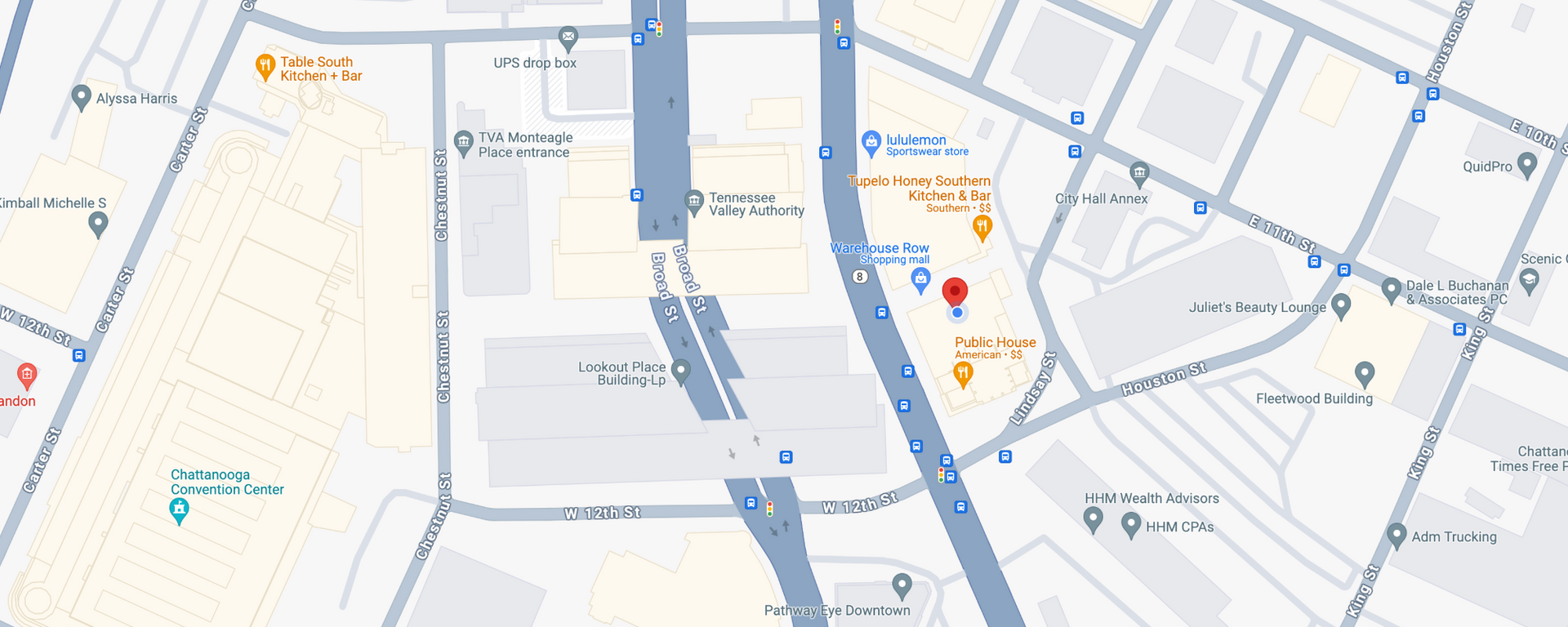
That's the case for an independent optical boutique, whether you're walking through the door or ordering from your couch: not nostalgia for small shops, but the simple fact that eyewear is personal enough to deserve a personal process. At That Glasses Guy, that's the whole model — a curated selection of independent designers, real lens expertise, and appointment-based attention from the person who actually runs the business, whether you're in Chattanooga or shopping the collection online. The goal isn't just to sell you frames. It's to make sure the pair you end up with actually works — for your face, your prescription, and the way you actually live in them.